
Overshoot Conference 2026 in Beijing, China from November 24-25
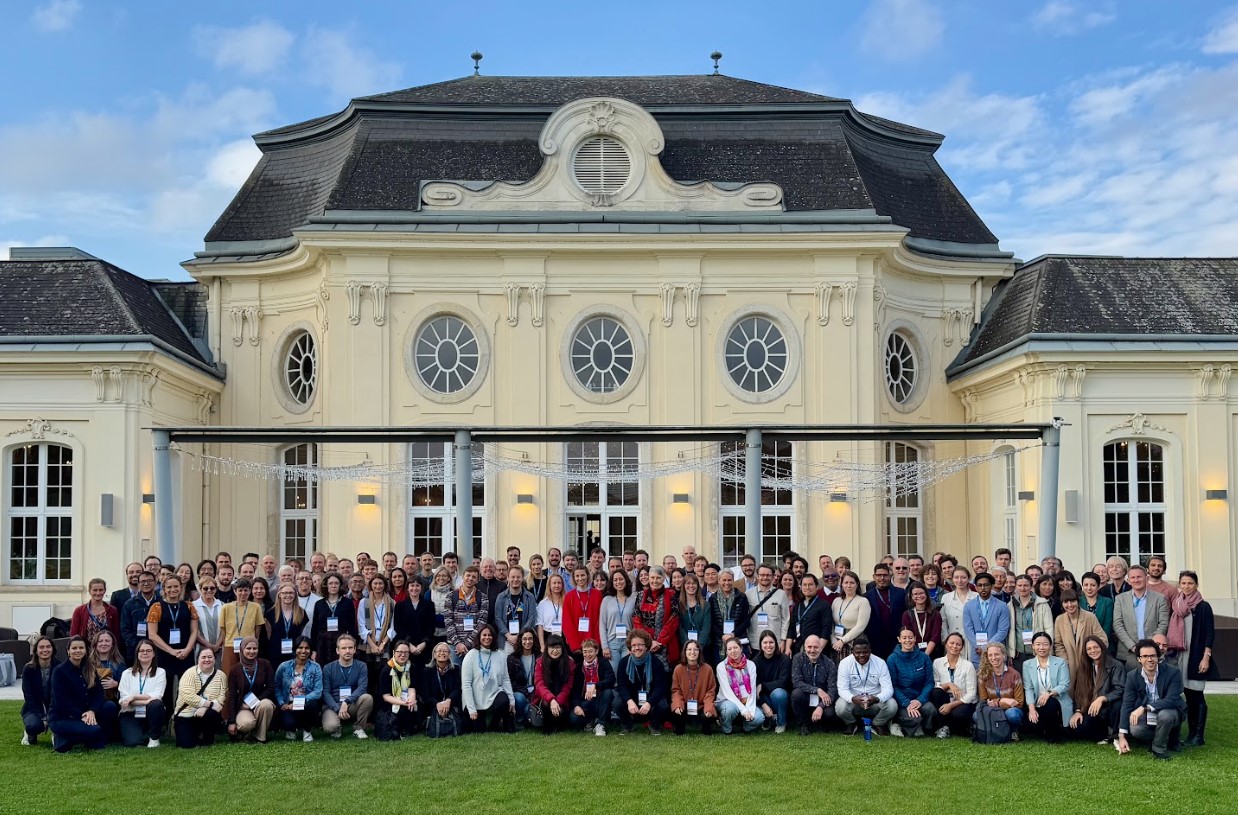
As global temperatures continue to rise beyond the 1.5°C threshold, understanding the implications of climate overshoot has become one of the defining scientific and policy challenges of our time. Following the success of the inaugural Overshoot Conference in Laxenburg, Austria in 2025, the second Overshoot Conference will bring together leading researchers, policymakers, innovators, and communicators to advance the global dialogue on overshoot pathways and responses. The conference will be hosted by IIASA and Tsinghua University.
Important upcoming dates:
29 September: Registrations open and reviews finalized
22 October: Release of full scientific program
Registration is now open!
For more info click here.
What are overshoot pathways?
Overshoot pathways are characterized by their peak and decline patterns, with the overshoot magnitude and duration influencing the extent of climate impacts during that period. Achieving temperature decline after an overshoot typically relies on large-scale deployment of carbon dioxide removal (CDR) technologies to achieve net-negative emissions. However, the feasibility and sustainability of implementing CDR at such scales are uncertain, raising concerns about the effectiveness of overshoot pathways in mitigating long-term climate risks.
What is climate overshoot?
In the context of climate change, “overshoot” refers to scenarios where global temperatures temporarily exceed a specific warming threshold—such as 1.5°C—before later declining to meet that target. This temporary exceedance is referred to as an “overshoot.”
Themes
The conference covers a range of relevant topics, including:
1. Highest possible mitigation ambition under overshoot, peak and decline pathways
2. Earth System responses to net negative emissions and CDR
3. Technological solutions for decarbonization and negative emissions
4. Climate impact (ir)reversibility
5. Overshoot pathway legacy, tipping dynamics and other abrupt changes
6. Health implications of overshoot pathways
7. Adaptation & adaptation limits, and loss & damage under climate overshoot
8. Governance and equity of overshoot pathways